Research interests
Integrative multi-omics for mechanistic discovery and clinical translation
Overview
Genomics in dialogue with other molecular layers
My research interests lie at the interface of genomics and complementary molecular layers, including transcriptomics, proteomics, and metabolomics. I am particularly interested in how multi-omics approaches can improve our understanding of human disease by linking genetic variation to downstream functional consequences.
Across my work, I aim to develop integrative and interpretable analytical frameworks that support both mechanistic discovery and clinical translation.
Infectious disease
Host genetics, metabolomes, and heterogeneous host response
A major focus of my research is the application of omics to clinically relevant questions in infectious and rare diseases. In infectious diseases, I have investigated how host genetics shapes plasma metabolomic profiles in people with HIV, with the goal of understanding pathways underlying accelerated ageing and related comorbidities (manuscript under revision).
I have also worked on pediatric sepsis, where I applied integrated multi-omics approaches to identify biological axes associated with severe disease and heterogeneous host responses (manuscript drafted; co-author version in circulation).
Rare disease
Patients who remain undiagnosed after whole-genome sequencing
More recently, my thesis work has centered on rare diseases, especially the integration of molecular data to improve diagnosis and biological interpretation. I am particularly motivated by the large proportion of patients who remain without a molecular diagnosis even after whole-genome sequencing.
As part of this work, I joined phase 3 of the Swiss National Data Stream (NDS) lighthouse project, where I worked on multiple rare-disease cases within the SwissPedHealth cohort. This experience highlighted several practical and analytical challenges in multi-omics studies of rare disease, including small sample sizes, heterogeneous data availability, and the limitations of late-integration strategies, in which functional layers are analysed separately and only combined at the interpretation stage.
Method
Network-based integration and patient-specific gene prioritisation
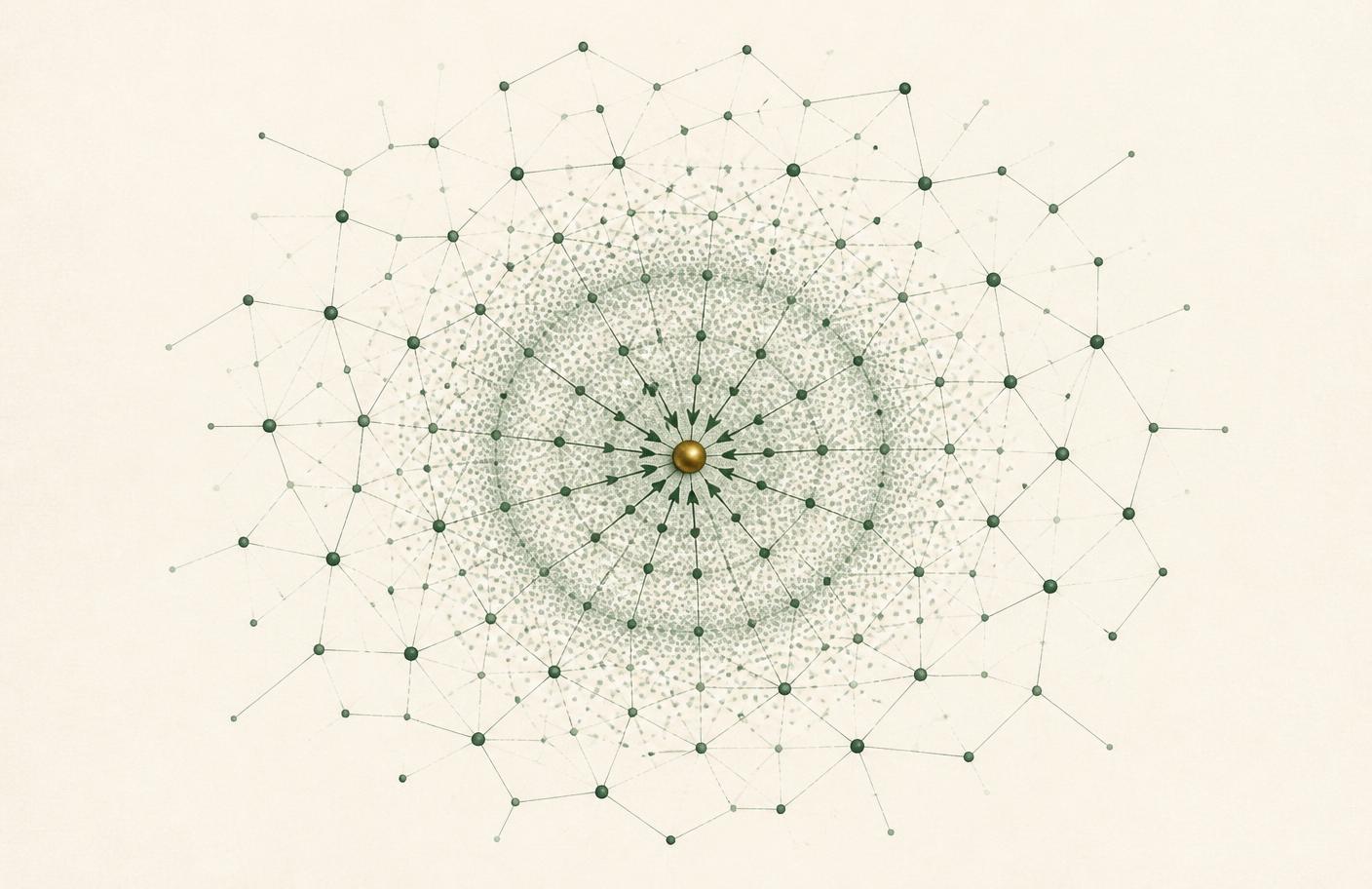
Taken together, these challenges have guided the direction of my thesis and emphasized the need for integrative frameworks better suited to rare-disease settings. In this context, I am developing integrative multi-omics approaches to improve variant interpretation and uncover disease mechanisms.
My work focuses on network-based frameworks that combine clinical phenotypes, genomic candidates, and functional omics signals in a unified and interpretable manner. In particular, I am interested in heterogeneous knowledge graphs and random-walk-with-restart methods for patient-specific gene prioritisation.
By the end of my thesis, I hope to further establish this line of research by advancing network-based multi-layer integration strategies, with particular emphasis on clinically interpretable models.